Fibermaxxing is one of the most popular health trends in 2025, as people move away from temporary solutions towards sustainable habits. If you’ve heard the term flying about on TikTok or health blogs, you may be wondering what it is and why everyone is so obsessed with it. According to the American Society of Nutrition, only seven percent of the American adults consume their daily recommended fiber intake.
Let’s break it down in a way your gut will thank you for.
What Is Fibermaxxing?
Fibermaxxing is the process of increasing your daily fiber intake by eating naturally fiber-rich foods rather than taking supplements. Think about entire grains, legumes, veggies, fruits, nuts, and seeds.
Dietitians have been recommending fiber for decades, but the “maxxing” approach emphasizes intentionality. Instead of passively consuming fiber here and there, you deliberately plan your meals to meet (or even surpass) the required daily intake.
Why Fiber Is a Big Deal
Fiber is the quiet champion of nutrition, working behind the scenes to keep your body running smoothly. It’s not just about helping you “stay regular.” Research has shown numerous benefits of fiber; some of these are listed below.:
- Gut health: Fiber feeds the beneficial bacteria in your microbiome, supporting digestion and immunity.
- Blood sugar control: Slows the absorption of sugar, preventing spikes and crashes.
- Heart health: Helps lower cholesterol and supports healthy blood pressure.
- Weight management: Keeps you full for longer, reducing cravings.
The average adult requires 25-38 grams of fiber per day, but only receives half of that amount. Fibermaxxing fills the void.
Foods to Eat for Fibermaxxing
High-Fiber Fruits:
- Apples (with skin)
- Pears
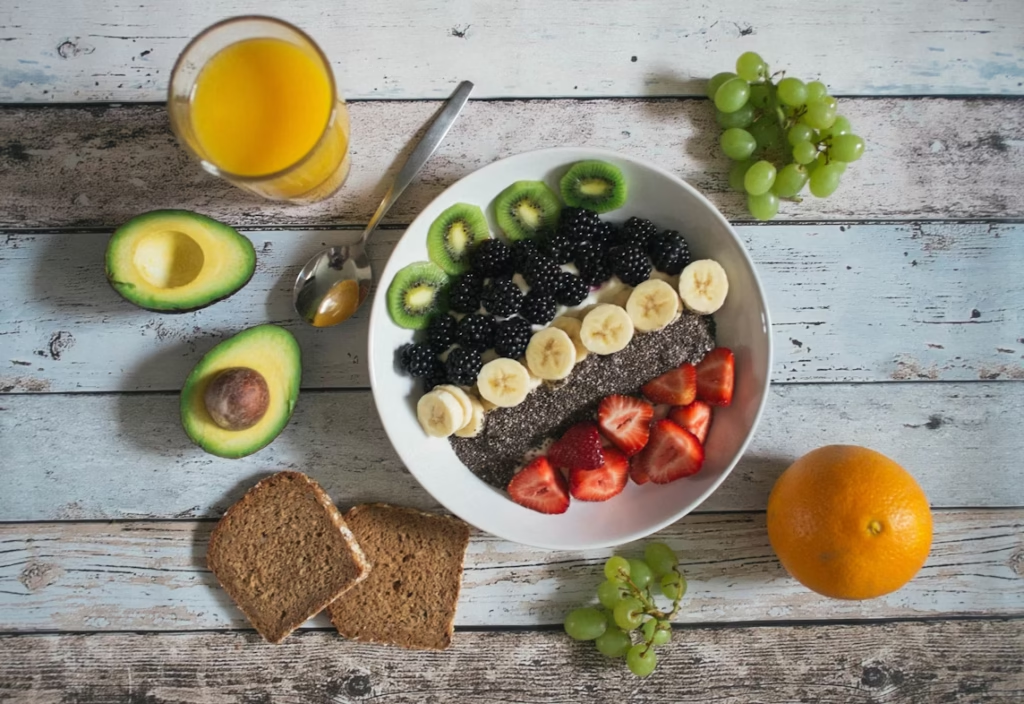
- Berries (raspberries, blackberries, blueberries)
- Oranges
- Bananas
Fiber-Rich Vegetables:
- Broccoli
- Brussels sprouts
- Carrots
- Spinach and kale
- Sweet potatoes (with skin)
Whole Grains:
- Oats
- Brown rice
- Quinoa
- Whole wheat bread or pasta
- Barley
Legumes & Pulses:
- Lentils
- Chickpeas
- Black beans
- Kidney beans
- Edamame
Nuts & Seeds:
- Almonds
- Walnuts
- Chia seeds
- Flaxseeds
- Pumpkin seeds
You can obtain both soluble fiber, which helps regulate blood sugar and cholesterol, and insoluble fiber, which promotes healthy digestion, by combining these foods throughout the day.
How to Start Fibermaxxing (Without Regretting It)
Jumping from low to high fiber overnight can cause bloating or cramps—your gut bacteria need time to adjust.
Here’s a gradual game plan:
- Start with breakfast: Add oats, chia seeds, or fruit.
- Snack smart: Choose raw veggies with hummus or nuts.
- Upgrade your sides: Swap white rice for quinoa or brown rice.
- Stay hydrated: Water helps fiber do its job.
The Takeaway
Fibermaxxing is more than simply a trend; it’s a lifestyle change. Your digestion, energy, and long-term health will all improve if you consciously eat more foods high in fiber. Be consistent and start small; your gut will appreciate it.