Dengue fever, one of the most prevalent viral illnesses spread by mosquitoes globally, affects millions of people annually. Many cases are mild, but if treatment is delayed, some can become life-threatening. Understanding how dengue develops, how to detect it early, and how to prevent it can make all the difference.
What Is Dengue Fever?
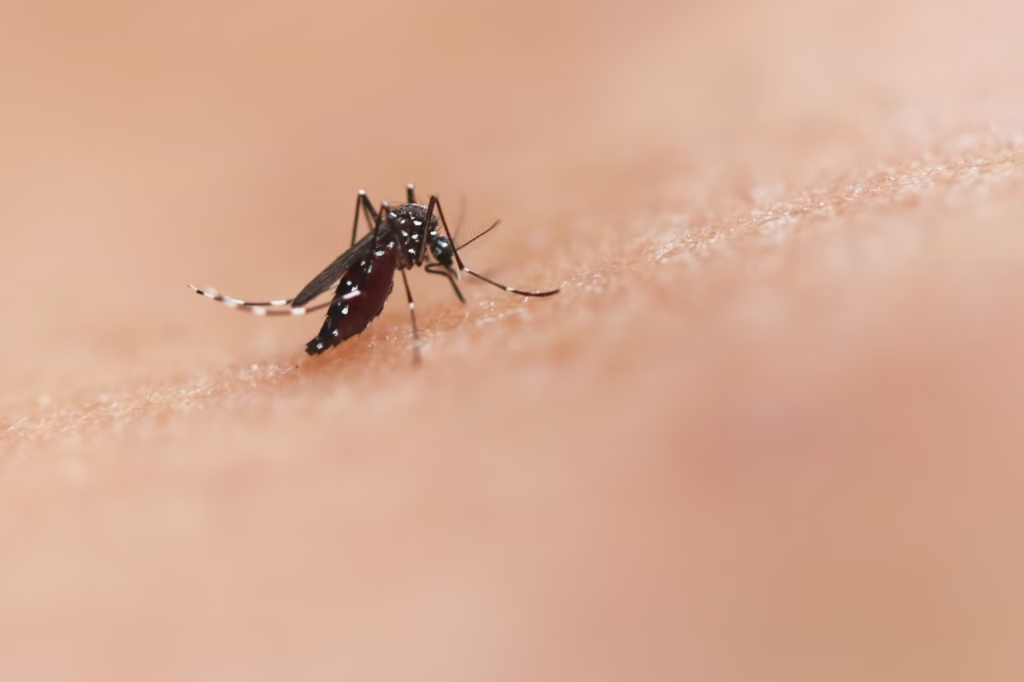
The dengue virus (DENV), which causes dengue fever, is transmitted by the bite of an infected Aedes aegypti or Aedes albopictus mosquito. These mosquitoes bite during the day and breed in containers, flowerpots, and water tanks that contain clean, stagnant water.
There are four strains of the dengue virus (DENV-1, DENV-2, DENV-3, and DENV-4). Infection with one type gives lifelong immunity to that type but not to others, which means a person can get dengue more than once.
Stages of Dengue Infection
Dengue progresses through three main stages, each more serious than the last.
- Dengue Fever (Classical Dengue)
This is the mild or early stage of infection.
Symptoms usually appear 4–10 days after the mosquito bite and include:
- Sudden high fever (up to 104°F / 40°C)
- Severe headache
- Pain behind the eyes
- Muscle and joint pain (“breakbone fever”)
- Nausea and vomiting
- Skin rash appearing a few days after the fever
Most patients recover within a week with rest and fluids, but close monitoring is important.
2. Dengue Hemorrhagic Fever (DHF)
If the illness worsens, it can progress to Dengue Hemorrhagic Fever, usually around day 5–7.
At this point, small blood vessels start leaking plasma, and blood clotting becomes difficult.
Warning signs of DHF include:
- Severe abdominal pain
- Persistent vomiting
- Bleeding from gums or nose
- Blood in vomit or stool
- Extreme fatigue or restlessness
- Easy bruising
This stage can lead to dangerous drops in platelet count and fluid loss. Immediate medical attention is required.
3. Dengue Shock Syndrome (DSS)
The most severe and life-threatening stage is Dengue Shock Syndrome. It occurs when fluid loss causes a significant drop in blood pressure, leading to organ failure if untreated.
Symptoms include:
- Cold, clammy skin
- Weak pulse or low blood pressure
- Severe abdominal pain
- Confusion or loss of consciousness
DSS is a medical emergency and requires urgent hospital care, intravenous fluids, and monitoring.
Diagnostic Tests for Dengue
Confirmation requires testing because dengue symptoms are similar to those of other viral diseases.
Common diagnostic tests include:
- NS1 Antigen Test – Detects dengue virus proteins early (first 5 days).
- IgM and IgG Antibody Tests – Identify the body’s immune response; IgM shows recent infection, IgG shows past infection.
- PCR (Polymerase Chain Reaction) Test – Detects the virus’s genetic material and identifies the specific strain.
- Complete Blood Count (CBC) – measures the haematocrit and platelet counts to determine the severity.
How to Prevent Dengue Fever
Since there’s no direct cure, prevention is the strongest protection:
- Remove any standing water that serves as a mosquito breeding ground.
- Apply mosquito repellents and wear long sleeves.
- Cover water containers tightly.
- Install window screens or mosquito nets.
- Participate in community clean-up drives.
- Stay alert during rainy seasons or outbreaks.
Treatment and Recovery
Dengue does not currently have a specific antiviral medicine. The treatment focusses on alleviating symptoms and staying hydrated.
Doctors typically recommend:
- Plenty of fluids and rest
- Paracetamol (acetaminophen) for fever
- Avoid aspirin and ibuprofen (these increase bleeding risk)
- Hospital care for severe dengue, DHF, or DSS cases
With early detection and proper care, most people recover fully within one to two weeks.
Conclusion
Dengue fever is a worldwide health issue that can be fatal if left untreated. It is not merely a seasonal illness. Preventing mosquito bites, getting tested promptly, and recognising early warning signs are the best ways to stay safe.
Stay informed, stay protected, and remember: prevention starts at home. Together, we can stop dengue before it starts.