Microneedling has become one of the most popular skincare treatments, and for good reason. If you’ve ever desired smoother, tighter, or more luminous skin, this minimally invasive procedure could be the answer. In this article, we’ll explain what microneedling is, how it works, and why dermatologists and skincare enthusiasts recommend it.
What Is Microneedling?
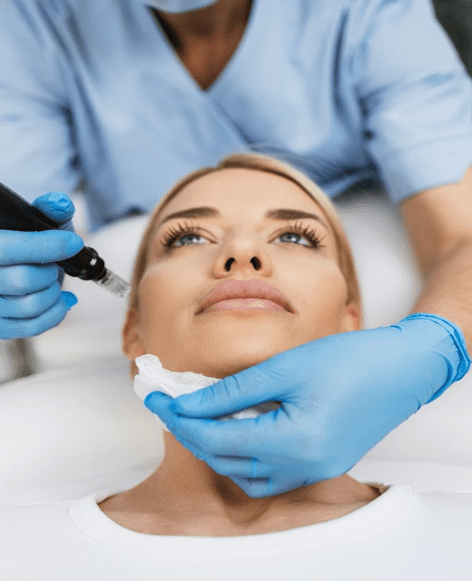
Microneedling, also known as collagen induction therapy, is a technique that involves creating tiny, controlled micro-injuries on the skin’s surface using an ultrafine needle device. Your body’s natural healing response is triggered by these micro-channels, which increase the production of collagen and elastin, the two proteins that give your skin its firm, youthful appearance.
As intimidating as the word “needles” sounds, the treatment is surprisingly comfortable thanks to a numbing cream applied beforehand. Most people describe it as a light prickling sensation.
Why Is Microneedling So Popular?
One of the primary reasons microneedling is popular is its ability to address many skin issues at once. The following are the most common benefits:
- Improves acne scars
It encourages deeper collagen repair, softening pitted scars and rough texture.
- Reduces fine lines and wrinkles
More collagen means tighter, plumper, younger-looking skin.
- Minimizes large pores
By refining skin texture, pores naturally appear smaller.
- Fades hyperpigmentation
Microneedling helps even out skin tone and reduce dark spots.
- Boosts skin glow
The increase in cell turnover gives your skin that fresh, healthy radiance.
- Enhances product absorption
The micro-channels allow serums and skincare ingredients to penetrate more effectively.
These results — combined with minimal downtime — make microneedling a favorite among people who want visible improvement without aggressive procedures.
What Happens During a Microneedling Session?
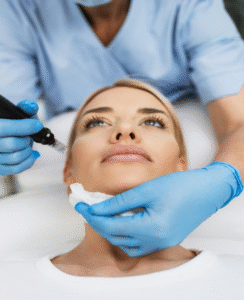
A typical session begins with a consultation to address your skin concerns. Your skin is washed, and numbing cream is used to make you comfortable. The microneedling instrument is pushed softly across the face, resulting in thousands of microscopic channels.
After the treatment, soothing serums or hydrating masks are applied to calm the skin and support healing. The entire process usually takes about 30–45 minutes.
Recovery and Aftercare
The best part? There’s minimal downtime. You may experience redness and slight swelling for 24–48 hours, but this usually subsides quickly. You’ll need to avoid makeup for a day and stay away from harsh skincare products (like retinol or acids) for 3–5 days. Hydration and sunscreen are your best friends during recovery.
Most people need 3–6 sessions, spaced about a month apart, for optimal results.
Is Microneedling Right for You?
Microneedling is typically considered safe for all skin types, especially darker tones. However, it is not recommended for people who have active acne, infections, or a history of keloids. A dermatologist can help you choose the safest alternative.
Conclusion
If you’re looking for a proven, science-backed treatment that boosts collagen, improves texture, fades scars, and gives your skin a youthful glow, microneedling is absolutely worth considering. It’s effective, minimally invasive, and results continue to improve over time — making it one of today’s most trusted skin treatments.