Gut health has recently emerged as one of the most popular subjects in the field of wellness and medicine. From social media trends like fibermaxxing to cutting-edge research on probiotics and prebiotics, the gut microbiome is a hot topic right now. But how can you take care of your gut and why is it so vital? Let’s get started.
What is the Gut Microbiome?
The term “gut microbiome” refers to the trillions of bacteria, fungi, and other microorganisms that live in your gut. These microscopic organisms are not dangerous; in fact, they are essential to your:
- Digestion – helping break down food and absorb nutrients
- Immunity – protecting you from harmful pathogens
- Mental health – influencing mood through the gut-brain axis
- Metabolism – impacting weight and energy levels
When your gut flora is balanced, you feel better, have more energy, and are less likely to become ill. However, when it is disturbed (by a bad diet, stress, or antibiotics), it can cause issues like bloating, exhaustion, and even chronic illnesses when it is disturbed (by a bad diet, stress, or antibiotics).
Why Gut Health is Trending in 2025
Interest in gut health has grown because of:
- Trends on TikTok, such as fibermaxxing (eating a lot of fiber to improve gut flora)
- Scientific advancements relating the microbiome to cardiovascular disease, diabetes, and mental health
- Applications for personalized diet and microbiome testing that provide individualized regimens for gut health
- People are becoming aware that a healthy stomach is linked to both physical and mental well-being.
How to Improve Your Gut Health Naturally
Expensive supplements or extreme diets are not necessary to improve gut health. Here are some easy, scientifically supported tips:
1. Eat More Fiber (Start Fibermaxxing!)
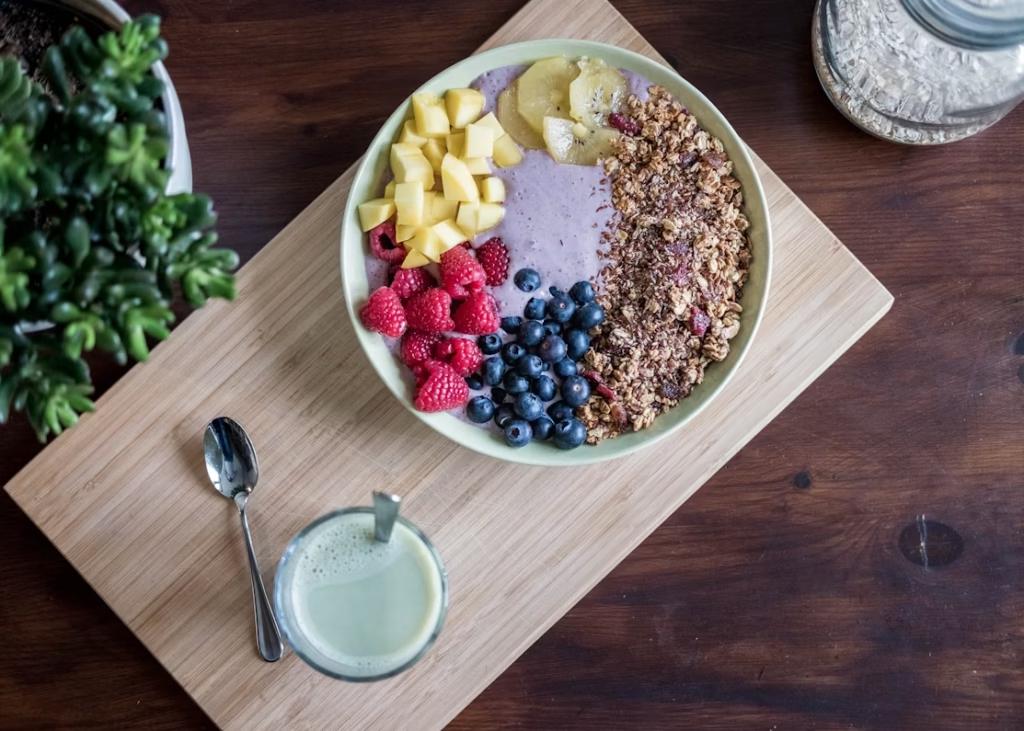
Fiber feeds your good gut bacteria. Include foods like:
- Whole grains (oats, quinoa, brown rice)
- Legumes (lentils, beans, chickpeas)
- Fruits and vegetables (apples, bananas, broccoli)
2. Add Probiotics & Prebiotics
- Probiotics (live beneficial bacteria) – found in yogurt, kefir, kimchi, sauerkraut
- Prebiotics (food for probiotics) – found in garlic, onions, asparagus, bananas
3. Limit Processed Foods & Sugar
Inflammation and digestive issues arise with the consumption of high sugar and processed food as it disrupts the gut flora.
4. Stay Hydrated & Manage Stress
Stress can have a detrimental effect on the gut-brain connection, whereas water helps in digestion. Include yoga, deep breathing, or mindfulness exercises.
5. Get Enough Sleep & Move Your Body
Good sleep and regular exercise help regulate digestion and microbiome diversity.
Gut Health & Mental Well‑Being
According to research, 90% of serotonin, the “happy hormone,” is produced in the gut. This implies that your mood is directly influenced by your gut. Have you ever been under stress and felt “butterflies in your stomach”? This is how the gut-brain axis functions! Maintaining your gut health can help you be more emotionally resilient in addition to improving your digestion.
Conclusion
Your gut is more than just a digestive organ—it’s the control center of your overall health. By eating fiber-rich foods, incorporating probiotics, and living a balanced lifestyle, you can support a thriving microbiome.