1 in 10 women in their reproductive years are thought to have endometriosis. Even though it’s somewhat common, it’s frequently misinterpreted, underdiagnosed, and occasionally dismissed as “just bad period pain.” Endometriosis can actually have a significant impact on long-term health, emotional stability, and day-to-day functioning.
What Is Endometriosis?
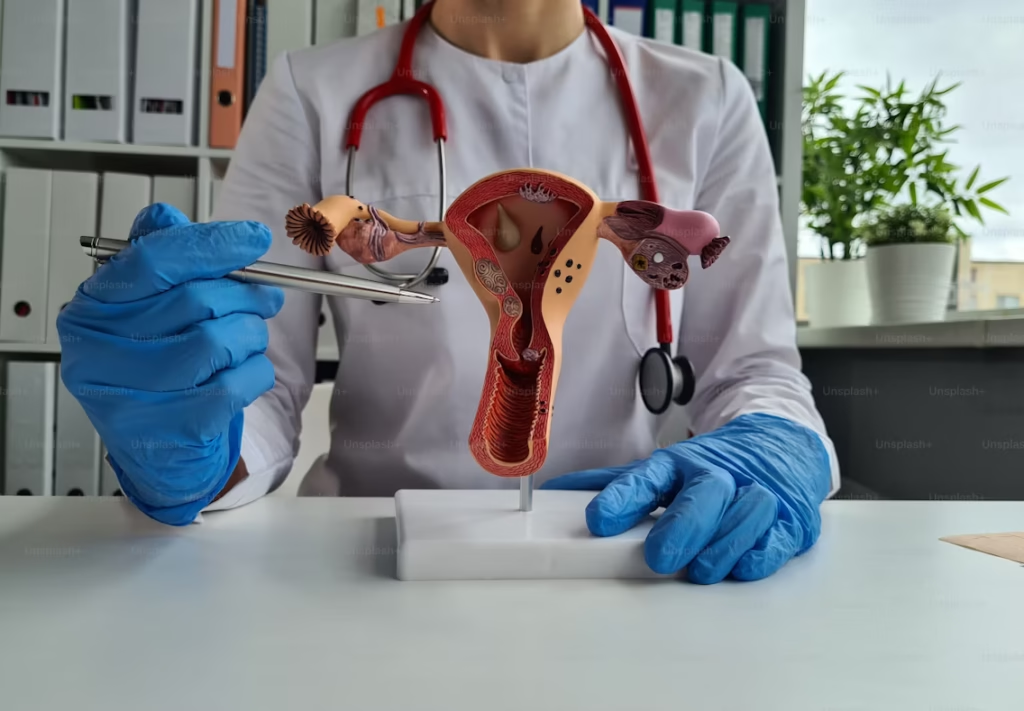
Endometriosis is a chronic inflammatory disease that occurs when tissue identical to the uterine lining (endometrium) grows outside the uterus. These growths—also known as lesions or implants—can appear on the ovaries, fallopian tubes, pelvic lining, and, in rare situations, other organs. This tissue, like the uterine lining, responds to hormonal changes throughout the menstrual cycle. It thickens, breaks down, and bleeds, but unlike menstrual blood, it cannot exit the body. This can cause inflammation, scar tissue, and painful adhesions.
Common Symptoms of Endometriosis
Symptoms can vary greatly—some people experience extreme pain, while others have little to no pain. Common signs include:
- Chronic pelvic pain, especially during menstruation
- Pain during or after sex
- Heavy or irregular periods
- Painful bowel movements or urination during menstruation
- Fatigue and bloating
- Difficulty conceiving (infertility)
Because symptoms are similar to those of other disorders, such as irritable bowel syndrome (IBS) or pelvic inflammatory disease, diagnosis can take several years.
What Causes Endometriosis
The exact cause remains unclear, but several theories exist:
- Retrograde menstruation – menstrual blood flows backward into the pelvic cavity.
- Immune system dysfunction – the body fails to recognize and remove misplaced endometrial-like tissue.
- Genetic factors – family history may increase risk.
- Hormonal influences – estrogen may promote growth of lesions.
It’s worth noting that none of these entirely explain why endometriosis occurs, and study is still underway.
Diagnosis and Treatment
Laparoscopy, a minimally invasive surgical procedure in which a camera is inserted to visually confirm abnormalities, is frequently required for diagnosis. Other tests, such as ultrasounds or MRIs, may help rule out other possibilities.
While there’s currently no cure, treatments focus on managing symptoms and improving quality of life:
- Pain management – NSAIDs or prescription pain relief.
- Hormonal therapies – birth control pills, hormonal IUDs, or GnRH agonists to reduce or stop menstruation.
- Surgery – removal of lesions (excision surgery) can relieve symptoms and improve fertility.
- Lifestyle changes – diet adjustments, stress management, and regular exercise may help some individuals.
Living With Endometriosis
Endometriosis can be emotionally demanding, especially when it takes years to get a diagnosis. Finding a caring healthcare staff, participating in patient support groups, and discussing openly with friends and family can make a significant difference.
Conclusion
If you experience severe period pain, don’t ignore it or let it be dismissed. Endometriosis is a real, often debilitating condition—and early intervention can help manage symptoms more effectively. Awareness is the first step toward better treatment and support for those living with it.